
Why Canola?
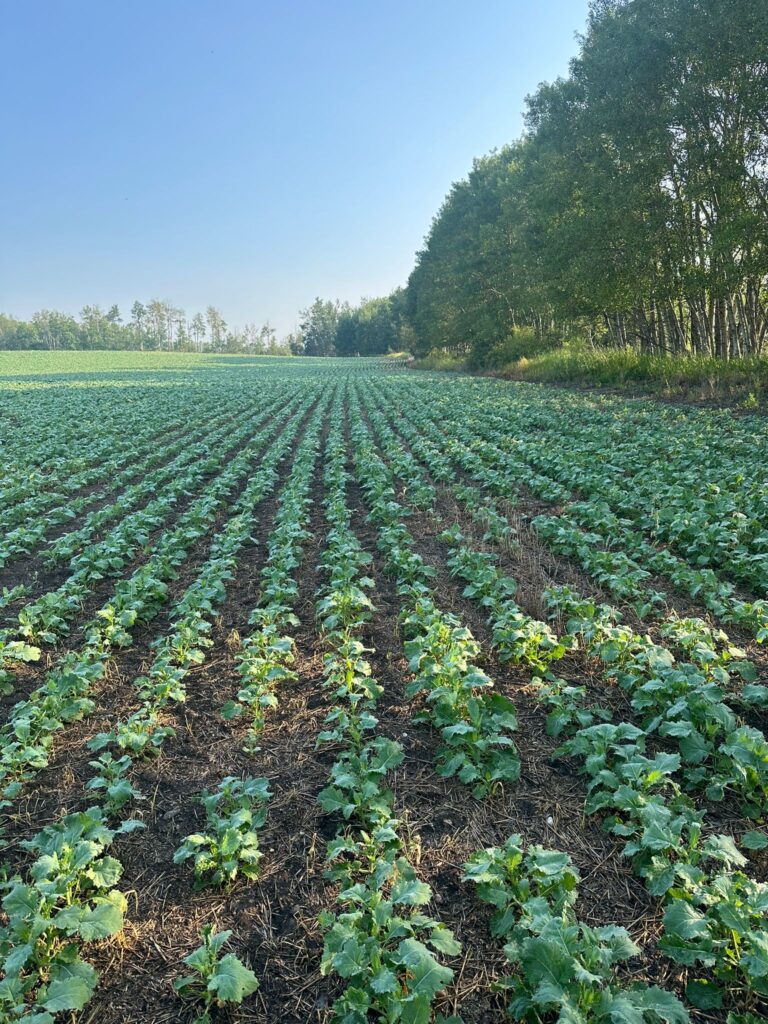


Canola oil is expected to be
in short supply in the near to mid term due to several factors, including droughts, Indonesia’s decision to stop exporting palm oil, high prices, limited supply growth, and the use of vegetable oils in biodiesel production.
Canola oil is an important component
in the cosmetics and personal care industries such as skincare products like lotions, creams, and hair conditioners. Industrial applications include producing lubricants, bio- based plastics, and even manufacturing bio-based ink. Its biodegradability and renew ability make it an attractive option in these applications.
Consumers are increasingly
seeking healthier dietary options and clean-labeled products. This trend has encouraged the use of canola oil in food products, as it aligns with the demand for natural, non-GMO, and heart-healthy ingredients.
The rise in North America’s population &
the associated demand for processed and convenience foods are key drivers of the food processing sector’s expansion, and the ongoing growth in North America’s food processing industry will help expand the canola market.
Sustainability
is a core focus of the canola market. From sustainable farming practices to reducing the carbon footprint of canola oil production, the industry participants are actively addressing environmental concerns. Increasingly, consumers prefer environmentally conscious products and are prepared to pay a premium for them.
The ‘Saudi Arabia’ of Canola Oil
The soil contents in these 3 RM zones are some of the best Canola-growing ground in Canada.
Large scale processing and shipping infrastructure developed at scale in the region.
Canola Futures, the world benchmark for Canola trading, are priced on Saskatchewan – the contract prices physical delivery of canola seed free-on-board trucks or rail cars in the par delivery region in Saskatchewan.
The North America Canola Oil Market is forecasted to grow at 3.7% CAGR through 2030, including 6% CAGR in the Canadian market.